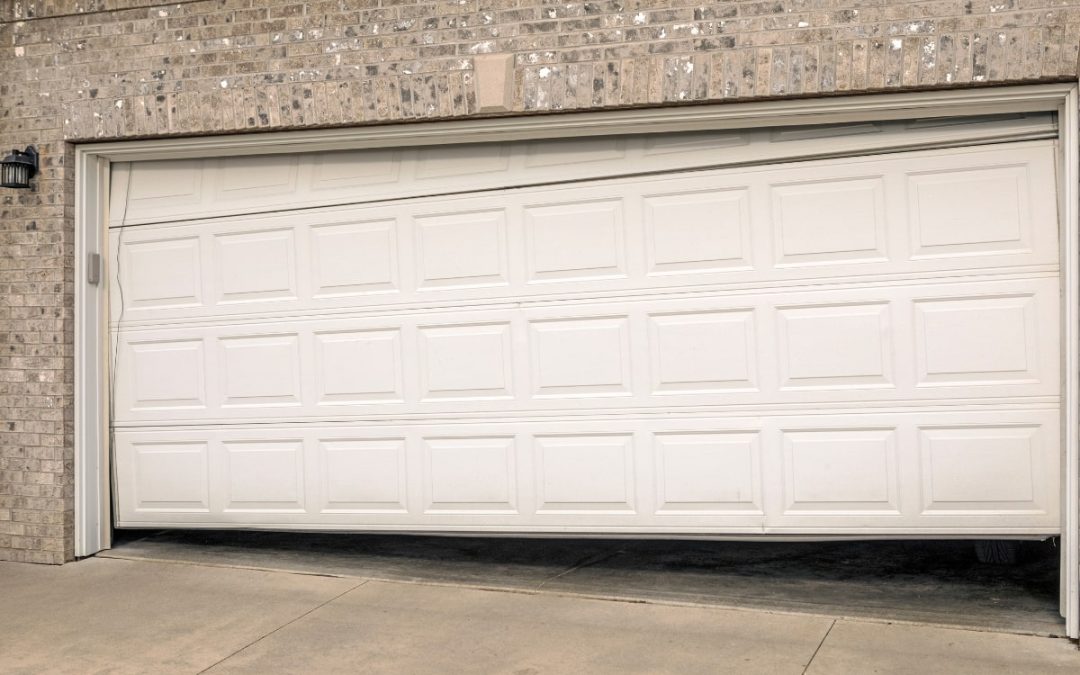
Is your garage door jerking when closing? it’s important to address the issue as soon as possible. Not only is it annoying, but it could also be a sign of a more serious problem. In this post, we’ll explore some of the possible causes of a jerking garage door and provide tips on how to fix it.
Check the Tracks and Rollers.
One of the most common causes of your garage door jerking when closing is an issue with the tracks and rollers. Over time, these components can become dirty or worn, causing the door to move unevenly. To check for this issue, inspect the tracks and rollers for any debris or damage. If you notice any issues, clean the tracks and replace any damaged rollers. This should help your garage door close smoothly and without jerking.
If you find that the tracks and rollers are clean and in good condition, you may need to lubricate them. Use a silicone-based lubricant to coat the tracks and rollers, which will help the door move more smoothly. If the jerking persists, it may be time to call a professional garage door repair service to diagnose and fix the issue. Ignoring the problem can lead to further damage and potentially dangerous situations, so it’s important to address it as soon as possible.
Inspect the Springs and Cables.
Another possible cause of a jerking garage door is an issue with the springs and cables. These components are responsible for supporting the weight of the door and helping it move smoothly. If the springs or cables are damaged, they may not be able to support the weight of the door, causing it to jerk or move unevenly. Inspect the springs and cables for any signs of damage or wear, and replace them if necessary. It’s important to note that working with garage door springs can be dangerous, so it’s best to leave this task to a professional.
If the garage door’s springs are in bad condition, not only could it be the reason that your garage door is jerking; but your entire garage door could be at risk. The springs are responsible for holding the weight of the garage door while it’s moving. If a spring were to go out, the whole door would fall. It’s important to have a professional inspect your springs every once in a while. Do not attempt to inspect or work on the springs yourself, as it could be a very dangerous task. Leave it to an experienced garage door professional, and ensure that your garage door is in the best possible condition.
Look for Obstructions in the Door’s Path.
Start by conducting a thorough examination of the space around your garage door. Check for any items such as toys or tools that could stop the door from working smoothly. Also, confirm that the tracks don’t have debris and dirt. Removing any obstacles and keeping the tracks clean can frequently alleviate any jerking issues. Anything obstructing the path of the garage door can lead to jerking. Maintaining a clear area around your garage door will cause seamless opening and closing.
Check the Cable Drum & Pulleys
The drums or pulleys are what guide the garage door when its moving up or down. It’s what supports the weight of the door and keeps your garage door moving smoothly at all times. Over time, these components start to wear out. Which can start causing your garage door to jerk when it is opening or closing. The pulleys or drums can also wear out faster if you live in a place with severe weather. Its important to inspect your garage door and its components after a bad storm, to ensure everything is still working properly.
Check the Opener’s Settings and Sensors.
Another possible cause of a jerking garage door is an issue with the opener’s settings or sensors. Check to make sure the settings are correct and that the sensors are properly aligned. If they are not, adjust them accordingly and test the door again. If the problem persists, it may be time to call in a professional to diagnose and fix the issue. Don’t ignore a jerking garage door, as it could lead to further damage or even safety hazards.
If your garage door is jerking when closing, it could be due to an issue with the opener’s settings or sensors. Start by checking the settings to make sure they are correct. If they are not, adjust them accordingly and test the door again. Next, check the sensors to make sure they are properly aligned. If they are not, adjust them until they are aligned and test the door again. If the problem persists, it may be time to call in a professional to diagnose and fix the issue. Don’t ignore a jerking garage door, as it could lead to further damage or even safety hazards.