

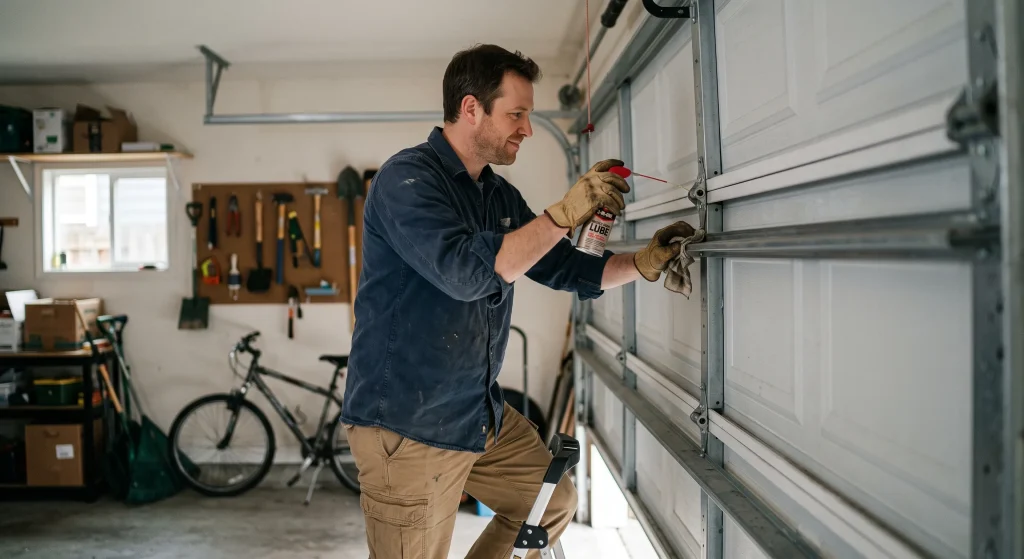
A garage door stops making noise when returning by maintaining a consistent routine of lubrication, hardware checks, and timely repairs after the first fix is completed. Skipping any of these steps is usually why the same noise reappears within just a few weeks of the initial repair.
Stopping a noisy garage door from returning for good takes ongoing effort, not just a single garage door repair on its own. The parts responsible for the noise require regular attention, and homeowners who follow a consistent maintenance schedule prevent the problem from recurring.
Is a Noisy Garage Door a Sign of a Bigger Problem?
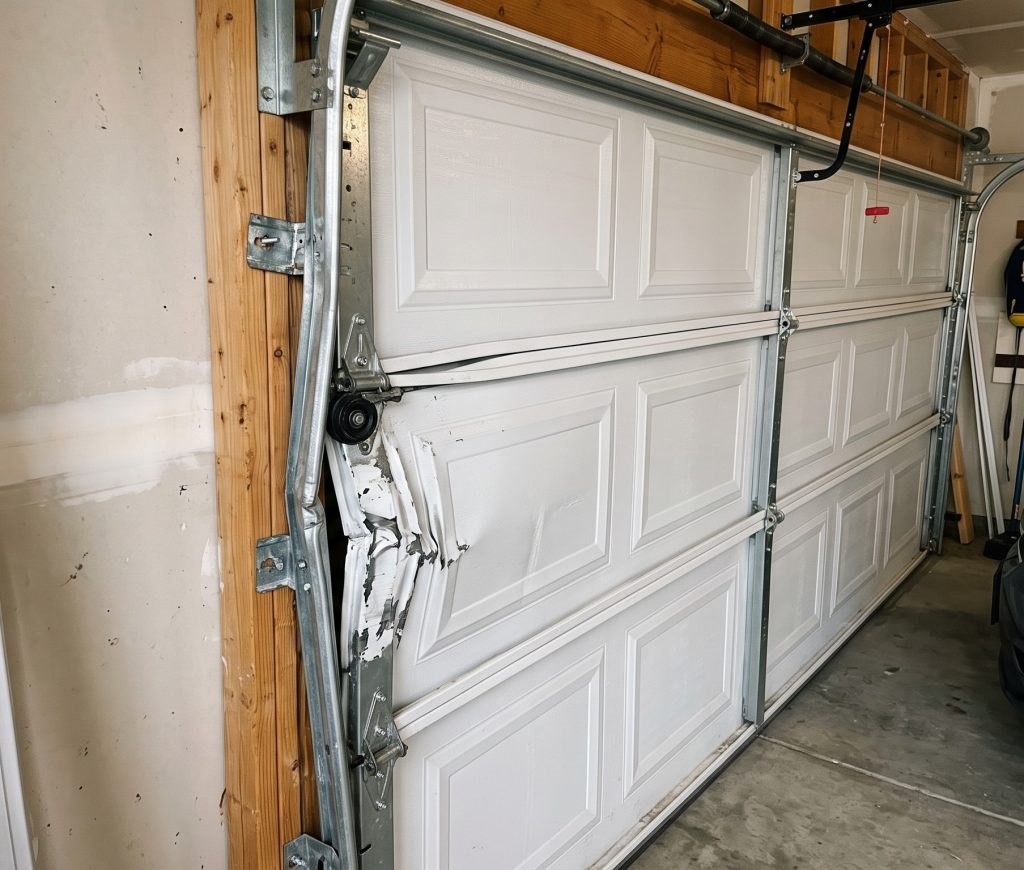
A noisy garage door often means a part inside the system has begun to wear out, and if the sound is ignored for too long, that wear can spread to other parts of the door over time, shortening their overall lifespan.
Common reasons a noisy garage door can point to a bigger problem include:
- Loose hardware that gets looser with every cycle of daily use.
- Dry or worn rollers that grind against the metal tracks as they move.
- A misaligned track that puts uneven pressure on the door panel.
- Torsion springs that carry more tension than the worn parts can handle.
- A garage door opener that strains to compensate for hidden mechanical issues.
To understand how these mechanical issues build up before a full repair is needed, read our guide on What Causes a Noisy Garage Door? Common Reasons, which breaks down each cause in more depth and helps homeowners recognize early warning signs.
Garage Door Maintenance Tasks That Stop Noise From Returning
Lubricate Moving Parts
Friction between moving metal parts is the leading cause of noise in most garage door systems, especially when regular lubrication falls behind schedule.
Applying lubricant the right way makes a noticeable difference:
- Spray silicone-based lubricant directly onto each hinge pivot.
- Apply a light coat to the bearings inside the rollers, not the wheel surface.
- Coat torsion springs evenly along their length from end to end.
- Work a small amount of lubricant into the chain drive links to quiet the opener.
- Skip standard WD-40, since it acts as a degreaser and pulls in grime.
- Wipe off any excess lubricant with a clean cloth to prevent drips.
Sticking to this lubrication routine every few months keeps the entire door running noticeably quieter between service visits.
Clean (Don’t Grease) the Tracks
Hardened dirt inside the metal tracks produces a grinding sound with every cycle of the door, and that sound tends to grow louder the longer it goes unaddressed.
Keeping the tracks clean solves this without extra products:
- Wipe both tracks with a damp cloth to remove built-up grime.
- Use a dry vacuum attachment to reach dust in tighter corners.
- Check both tracks for debris near the bottom rollers.
- Skip lubricant entirely on the track surface itself.
- Clear cobwebs or dust that collects along the track length.
Sticking to a damp cloth instead of a lubricant keeps the tracks running smoothly without buildup over time.
Tighten Loose Hardware
Vibration from daily use loosens screws, bolts, and brackets across the whole system, and the rattling tends to become more noticeable with each passing week.
A simple hardware check catches most of this early:
- Go over each hinge with a wrench or socket set to tighten bolts.
- Check bolts along the tracks for any give or wobble.
- Snug up loose chain sections on chain drive openers.
- Avoid overtightening bolts directly on the door panels.
- Inspect roller brackets for movement during a full open-and-close cycle.
Running through this checklist every few months keeps rattling from creeping back into the system between inspections.
Upgrade Rollers
Standard steel rollers grow louder with age as their surfaces wear down from repeated use, and no amount of lubricant fully solves that kind of wear.
Swapping to sealed nylon rollers solves the noise at its source:
- Remove the old steel rollers one at a time to keep the door supported.
- Install sealed nylon rollers designed to fit the existing roller brackets.
- Check that each new roller moves freely inside the track before moving on.
- Test the door through a full cycle after all rollers are replaced.
- Apply a small amount of lubricant to the new bearings once installed.
A garage door roller repair like this one gives the door a noticeably quieter run for years afterward and holds up well in most conditions.
Test the Auto-Reverse Safety Feature
Worn or misaligned parts that cause noise can also throw off the sensors tied to this safety feature, so a quick check is worth adding to the same visit.
A simple monthly check confirms the feature still works:
- Place a small object in the door’s path before starting a closed cycle.
- Confirm the door stops and reverses immediately on contact with the object.
- Check that sensor lights stay steady on both sides of the track.
- Clear any dust or debris blocking the sensor eye on either side.
- Repeat the test after tightening hardware or adjusting nearby parts.
Regularly testing this feature confirms that the garage door opener responds correctly before a real safety issue develops.
How Often Garage Door Maintenance Should Be Done
The right garage door maintenance frequency depends on how often the door gets used and the conditions it faces day to day.
Task | Frequency | Why It Matters |
Full inspection and lubrication | Every 3 to 6 months | Keeps friction and wear from building up on moving parts |
Hardware and roller checks | Every 3 months in humid or coastal areas | Faster corrosion and loosening speed up wear in these conditions |
Auto-reverse safety test | Once a month | Confirms sensors respond correctly before a real safety issue develops |
Doors used several times a day | Monthly check-ins | Frequent cycles wear down parts faster than average use |
Following a schedule like this keeps wear from piling up between visits and helps the door stay quiet for longer.
What to Do if the Garage Door Keeps Reversing After Maintenance
A door that keeps reversing after maintenance often has root causes similar to those of a noisy garage door, since worn parts affect the sensors in similar ways.
Steps to check when the door keeps reversing include:
- Clear any dirt, cobwebs, or small objects blocking the sensor path near the floor.
- Check the alignment of both tracks for any noticeable shift or gap.
- Inspect the sensor wiring for loose connections near the opener unit.
- Confirm both sensor lights stay steady with the beam path clear.
- Test the door through a full cycle after each adjustment to confirm the fix.
To recognize how these warning signs show up before the noise gets this hard to ignore, read our blog on Early Signs of a Noisy Garage Door, which breaks down the smaller symptoms that come before bigger issues develop.
When to Call a Pro for Garage Door Repair
A trained technician should handle garage door repair when the issue goes beyond what basic maintenance can resolve.
Signs that point to professional garage door repair include:
- A snapped cable or visibly damaged torsion spring under high tension.
- Noise that continues after completing all standard maintenance tasks.
- A door that keeps reversing with no clear cause after basic checks.
- Grinding or popping sounds that get louder despite lubrication and cleaning.
- A garage door opener that strains or makes an unusual noise during operation.
To learn how these repairs are handled once the source of the noise is confirmed, read our blog on How to Fix a Noisy Garage Door, which walks through the professional process from diagnosis to resolution.
Why Professional Garage Door Maintenance Lasts Longer
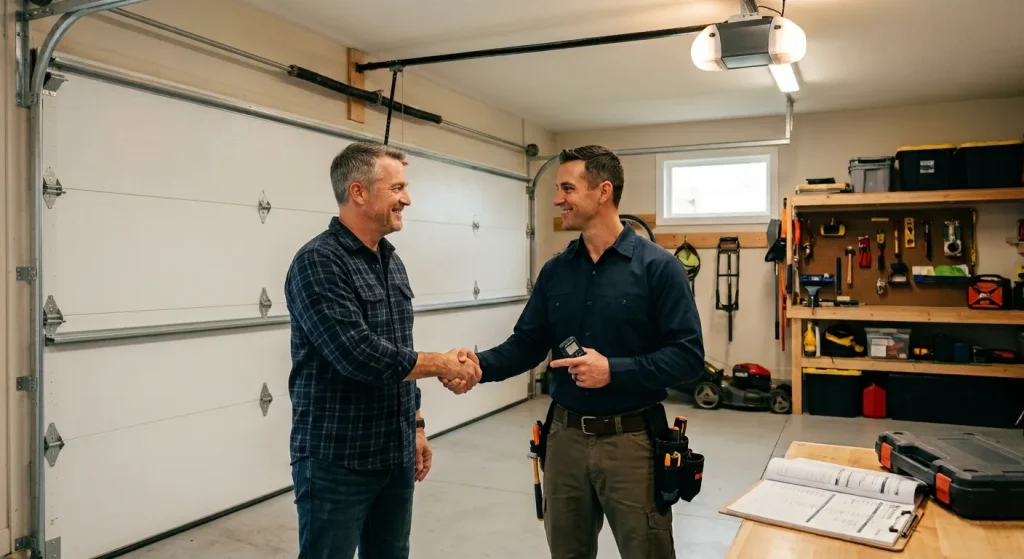
Professional garage door maintenance lasts longer because a trained technician catches wear and hardware issues that homeowners often miss.
Reasons professional maintenance lasts longer include:
- Trained technicians spot alignment and balance issues that homeowners often miss.
- Professional inspections cover the opener’s gears and internal parts that are often overlooked during DIY checks.
- Correct tools and parts are used for each specific repair.
- Torsion springs get checked for tension without added risk to the homeowner.
- Fewer repeat visits are needed between scheduled service appointments.
Choosing professional maintenance ensures a garage door operates more consistently and quietly between visits.
Prevent a Noisy Garage Door From Returning for Good
A noisy garage door often comes back without a consistent maintenance routine behind it, and that routine is what separates a short-term fix from a lasting one. Knowing which tasks to run, how often to run them, and when a professional needs to step in keeps the door performing the way it should for years.
Garage Doors Guaranteed gives homeowners across Melbourne, FL a clear diagnosis and a lasting fix whenever a noisy garage door becomes a recurring issue in their daily routine. Contact us or give us a call today, and let our team confirm exactly what the door needs to stay quiet and reliable for good.