

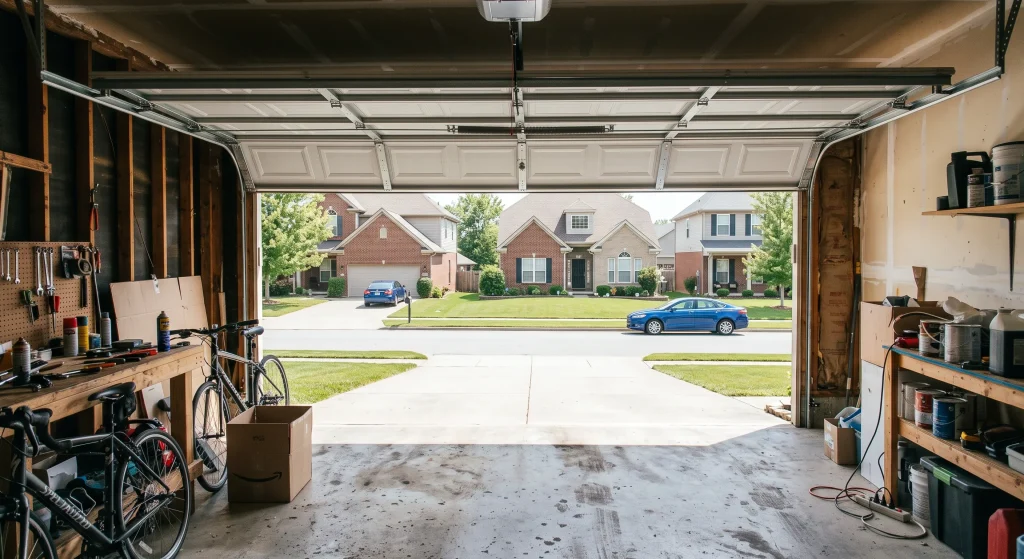
A noisy garage door usually points to worn rollers, loose hardware, dry hinges, or a spring under too much tension, and each of these problems tends to announce itself through sound before it becomes a bigger issue. Grinding, squeaking, and rattling each signal a different part of the system reacting to wear.
Recognizing these early signs gives a homeowner the chance to schedule a simple garage door repair before the issue spreads to other parts. Understanding what each sound actually means gives a homeowner a clear starting point for knowing when to check the door and when to call a professional right away.
Why Does a Garage Door Start Making Noise?
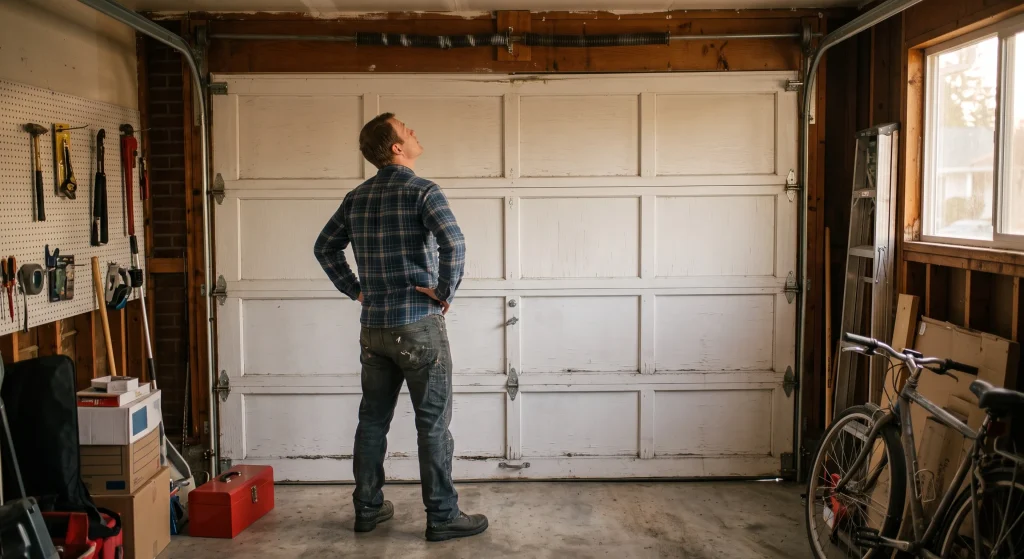
A garage door starts making noise when a specific part of the system wears down, loses lubrication, or shifts out of position, and each type of sound points to a different mechanical cause worth checking.
Common reasons a garage door starts making noise include:
- Rollers or hinges have dried out and lost the lubrication needed for quiet operation.
- Hardware such as bolts, screws, and brackets has loosened due to repeated use.
- Tracks have shifted out of alignment, causing the door to rub or scrape.
- A spring has weakened or lost tension, placing extra strain on other parts.
- Age and daily use have simply worn down parts that once ran without sound.
To understand the full range of mechanical issues behind these sounds, read our guide on What Causes a Noisy Garage Door? Common Reasons, which breaks down each cause in more depth.
How to Tell Normal Garage Door Noise From a Warning Sign
A garage door makes a small amount of sound during normal use, and the difference from a warning sign comes down to consistency and intensity.
Sound | Normal Garage Door Noise | Warning Sign |
Motor Hum | Soft, steady hum from the garage door opener | Loud or straining sound during the full cycle |
Mechanical Whir | Light whir that stays the same every time | Whir that grows louder or changes in pitch |
Grinding or Banging | Not present during normal operation | Present at any point during opening or closing |
Volume Consistency | Stays the same day to day | Increases suddenly despite regular maintenance |
Weather Response | Sound stays consistent across temperatures | Noise appears only in certain temperatures or humidity |
Recognizing these differences helps a homeowner catch a noisy garage door early and address the issue with a quick, low-cost repair.
Common Signs a Garage Door Needs Attention
Grinding Sounds
Metal-on-metal contact along the track or roller path turns a quiet cycle into a harsh grinding sound with every pass of the door.
This grinding noise usually traces back to one of these mechanical issues:
- Rollers that have flattened, cracked, or worn thin from years of friction
- Tracks that have bent or shifted out of their original alignment
- Missing lubrication that leaves metal parts rubbing directly against each other
- Debris, dirt, or rust buildup collects inside the track groove over time
- Bolts holding the track in place that have loosened and shifted
Replacing worn rollers and scheduling garage door track repair restores the door to smooth, quiet operation in a single visit.
Squeaking or Screeching
Dry or rusted hinges push an otherwise quiet door into a squeaky garage door within a fairly short stretch of regular use.
A squeaky garage door often points to one of these underlying causes:
- Hinges that have gone months without any lubricant applied to the moving joints
- Roller bearings that start to seize up from age, rust, or general corrosion
- Rust that forms on hinge pins after repeated exposure to humidity and moisture
- Worn bushings inside the rollers that no longer allow them to spin smoothly
- Dirt and debris that mix with old grease create extra friction at each joint
Lubricating the hinges and rollers on a regular basis prevents this sound from returning week after week and helps the entire door run more smoothly.
Banging or Popping
Loose hardware and spring tension are the two leading causes behind a garage door that bangs or pops loudly during a cycle.
These loud sounds typically stem from one of the following issues:
- Bolts and screws that have loosened gradually from repeated vibration over time
- Panels that have shifted slightly out of their brackets after months of use
- A torsion spring is nearing the end of its expected lifespan and losing tension
- Cables that have started to fray or stretch under consistently high tension
- Hardware that was never fully tightened during a prior repair or installation
Scheduling a broken garage door spring repair restores proper tension in the spring and stops the banging on both sides of the door.
Rattling or Vibrating
A loose chain drive or slack support rail creates a rattling sound that repeats every single time the garage door opener runs.
A rattling garage door usually points to one of these mechanical culprits:
- A chain that has stretched over time and lost its proper tension
- Track supports that have gradually loosened from the wall after months of vibration
- Bolts along the rail that were never tightened fully during installation
- A belt drive that has started to fray, stretch, or wear thin at certain points
- Hardware throughout the system is vibrating loose from years of daily use
Tightening the chain and securing loose hardware with a socket set restores quiet operation in most cases.
Sluggish or Jerky Movement
Worn cables and uneven spring tension often show up first as a door that hesitates or stutters through its full cycle.
This kind of hesitation often comes down to one of these factors:
- Cables that have frayed and gradually lost some of their original strength
- Springs that no longer provide even lift on both sides of the door
- Tracks that have shifted slightly and now create unnecessary resistance
- Rollers that have worn down and no longer glide as smoothly as before
- A motor works harder than it should due to added mechanical strain
Addressing the spring or cable issue early keeps the opener from carrying more strain than it should and helps the whole system move more evenly.
Door Sitting Crooked
A spring that has weakened or failed on one side is the most common reason a garage door sits unevenly once closed.
An unbalanced door is usually explained by one of these issues:
- One torsion spring loses tension noticeably faster than the other side
- Cables that stretch unevenly on either side of the door over time
- Track supports that shift more on one side than the other
- Rollers that wear down at different rates along the same section of track
- Hardware that loosens more on one side due to consistently uneven strain
Having the spring tension checked and balanced brings the door back to level, even operation, and reduces strain on the opener over time.
How Melbourne’s Climate Can Accelerate Wear and Noise
Coastal humidity, salt air, and frequent temperature swings push garage doors toward faster wear and louder operation than homes in drier inland climates.
Ways this climate accelerates wear and noise include:
- Salt air speeds up rust on rollers, hinges, and track supports
- High humidity washes away lubricant faster, leaving metal parts dry sooner
- Heat and humidity swings cause metal parts to expand and contract more often
- Frequent rain adds moisture that settles into hardware and springs over time
- Coastal air leaves less protection on exposed metal compared to inland regions
More frequent garage door maintenance helps offset how quickly this climate wears down unprotected metal.
What to Do After Noticing These Signs
A few checks can help confirm what a garage door needs before deciding whether a professional visit makes sense.
Steps worth taking after noticing these signs include:
- Wiping down tracks and rollers with a damp cloth to clear built-up dirt
- Applying a small amount of lubricant to hinges, rollers, and the chain or belt drive
- Checking visible hardware for looseness with a socket set
- Avoiding any hands-on work near the torsion spring, given the high tension involved
- Noting when the noise happens to help describe the issue clearly to a professional
To walk through the full repair process a professional typically follows from start to finish and understand what each stage involves, read our guide on How to Fix a Noisy Garage Door, which breaks down each step involved in more detail.
What Happens If These Early Signs Go Unaddressed
Ignoring a noisy garage door allows small mechanical issues to progress into more involved and expensive repairs over time.
What can happen if these signs go unaddressed includes:
- Worn rollers that continue to wear down until full replacement becomes necessary
- A loose chain that places extra strain on the opener motor over time
- A weakened spring that eventually snaps under high tension
- Frayed cables that reach the point of a complete cable failure
- Minor noise issues that develop into a door that stops functioning altogether
To learn practical ways to keep these issues from returning after a repair, read our guide on How to Prevent a Noisy Garage Door From Returning, which covers maintenance steps that support long-term performance.
Recognize the Early Signs of a Noisy Garage Door Before They Worsen
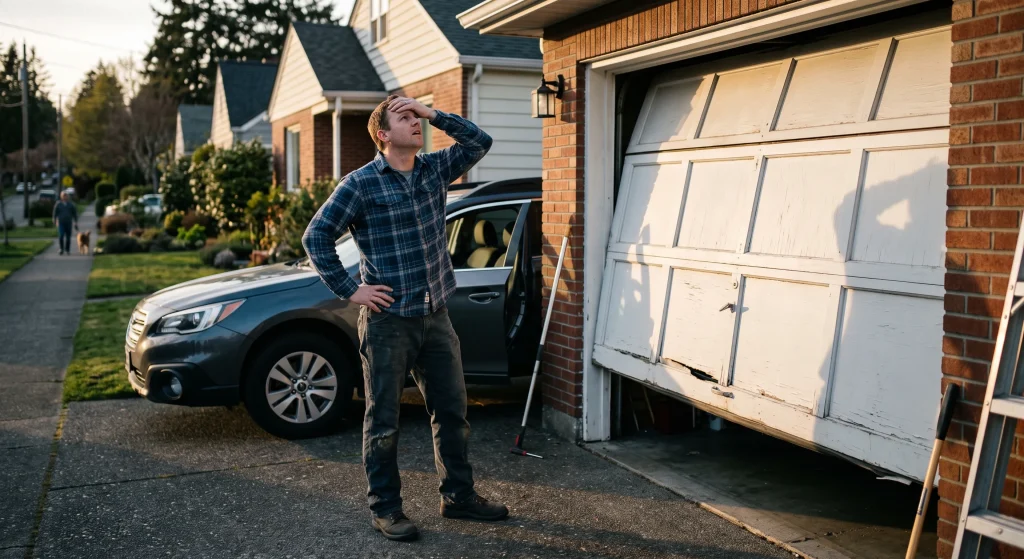
A noisy garage door often signals a specific mechanical issue, and catching that signal early helps homeowners avoid a much larger and more expensive repair down the line. Knowing what each sound means and when to check it keeps the entire system running smoothly for years to come.
Garage Doors Guaranteed has spent years helping homeowners throughout Melbourne, FL, diagnose and resolve early garage door noise before it becomes a bigger mechanical failure. Contact us or give us a call today, and let our team inspect the system carefully to restore quiet, steady operation for the long run.