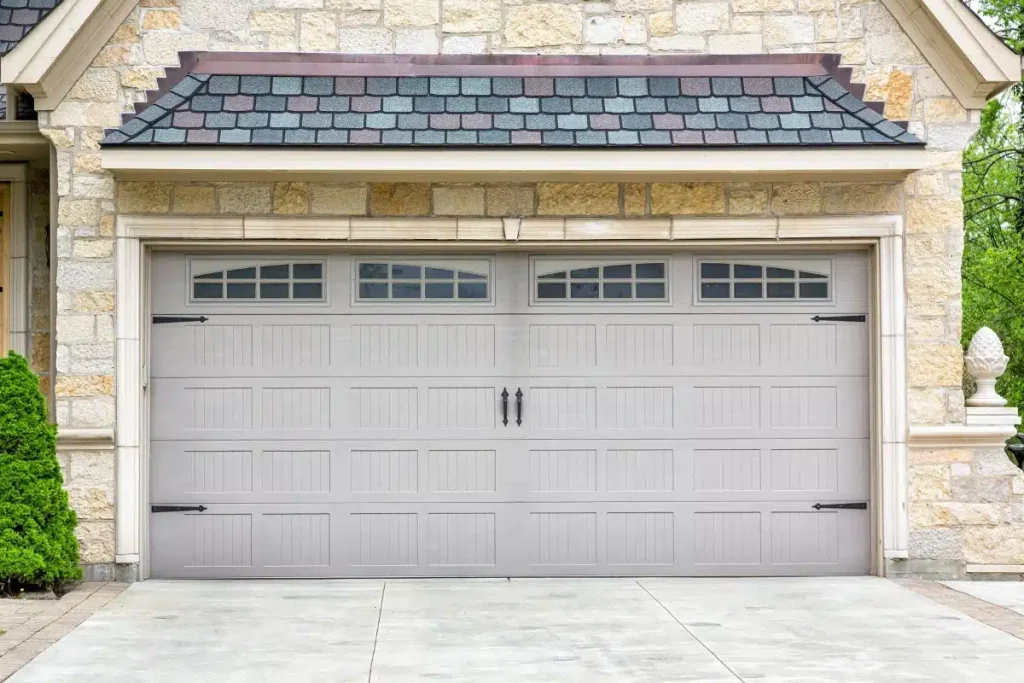
A garage door without a hurricane rating is one of the most vulnerable structural entry points in a home during a powerful and fast-moving storm. Most homeowners never verify their door’s hurricane certification status until the season is already underway, leaving no time to take the necessary steps to prepare.
Knowing how to tell if a garage door is hurricane rated starts with understanding what a certified door looks like. This article covers the certification labels, wind load standards, and construction markings that confirm a hurricane rated garage door has passed Florida’s required testing.
What Is a Hurricane Rated Garage Door?
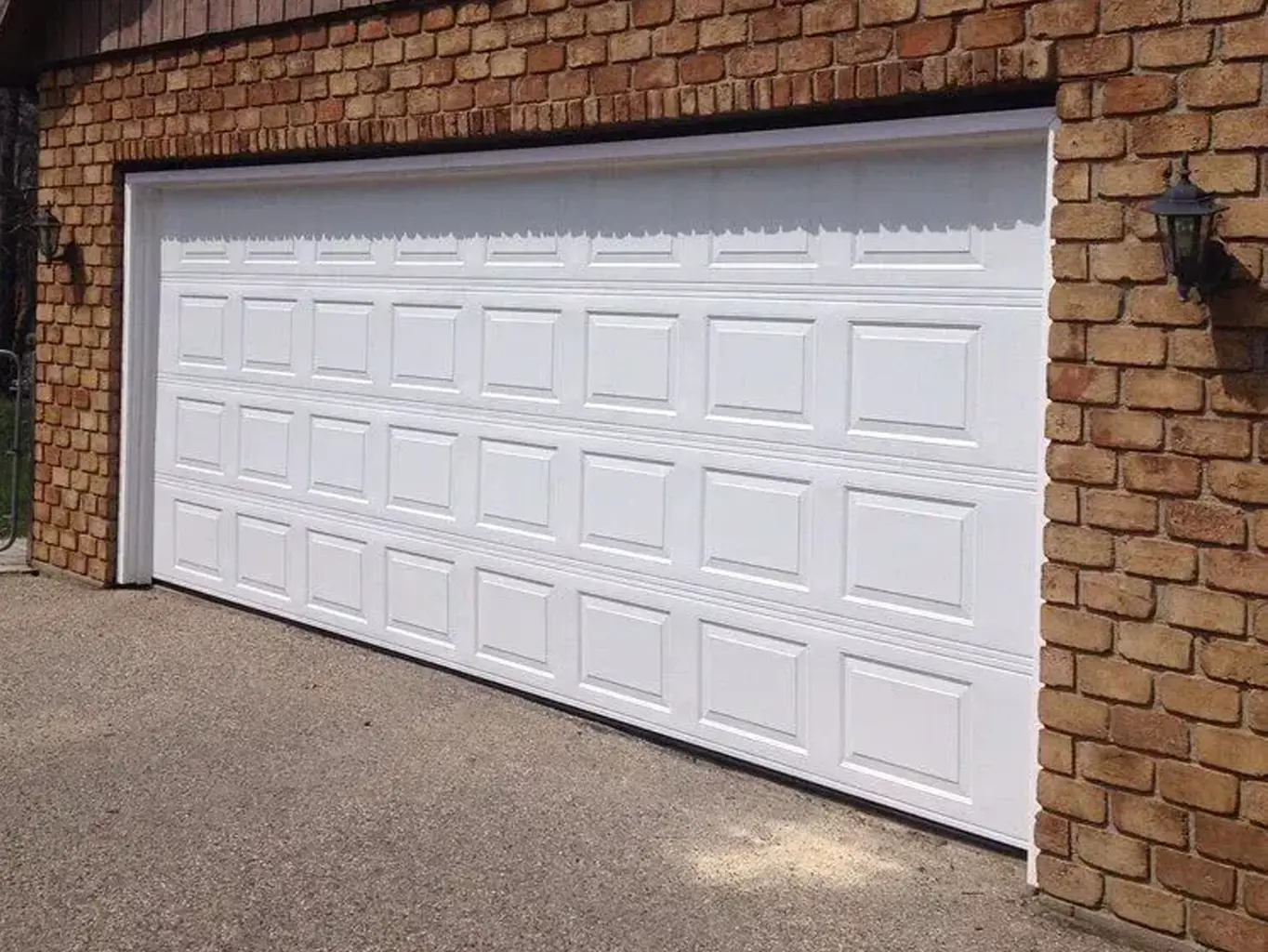
A hurricane rated garage door is a door that has been independently tested and certified to withstand the wind pressure, impact forces, and structural stress that Florida storms impose on the largest opening in a home.
Key characteristics that define a hurricane rated garage door include:
- Factory construction is engineered as a complete system, not assembled from standard parts.
- Panel materials are selected and graded specifically for storm performance in coastal climates.
- Built to meet Florida Building Code requirements for hurricane prone areas.
- Hardware, tracks, and bracing are matched to the door’s wind zone classification.
- The entire system undergoes independent laboratory testing before reaching the market.
To explore certified door styles and what each construction type is built to handle, read our guide on Types of Hurricane Rated Garage Doors, which covers material grades, panel construction, and performance differences across every major door category.
Best Hurricane Rated Garage Doors Types and Options
Hurricane rated garage doors fall into two main categories based on material type and reinforcement rating.
Category | Type | Key Features |
By Material | Steel | Most popular option, durability determined by gauge, lower gauge means thicker and stronger panels |
Aluminum and Glass | Heavy-duty aluminum frames reinforced to hold impact-resistant glass suit modern aesthetics | |
Wood and Composite | Classic carriage house look, heavily engineered to meet high-velocity hurricane zone codes | |
Rolling and Coiling | Interlocking steel slats designed for commercial spaces transfer wind loads directly into building walls | |
By Rating | Wind Load Rated | Reinforced with struts, thicker tracks, and heavy-duty rollers to prevent bowing under wind pressure |
Impact Rated | Withstands wind pressure and large wind-borne debris impact through impact-resistant materials or glazing | |
Design Pressure Rated | Certified to specific PSF levels or wind speeds ranging from W1 at 90 mph up to W9 at 150 mph and above |
Both categories determine whether a door meets the wind zone and impact standards required for a home’s location.
What Makes a Garage Door Hurricane Rated?
Wind Load and Impact Label
Every hurricane rated garage door carries a permanent factory-printed label confirming it has passed Florida’s required wind-pressure and impact testing.
Key details found on a certified label include:
- Located on the bottom section or inside panel of the door
- Displays manufacturer name, model, and Design Pressure values in PSF
- References applicable testing standards such as ASTM E330
- Window inserts marked “A” confirm impact-resistant glass, while “B” indicates standard glazing
- Missing or faded labels can be traced using the door’s model number
Verifying the label against Florida’s Product Approval database confirms whether the certification is active for the home’s wind zone.
Structural Reinforcements
Factory-installed reinforcements set a true hurricane rated garage door apart from a standard door with aftermarket bracing.
Reinforcement features built into a certified door include:
- Heavy-duty horizontal struts span every panel section, not just the top
- Three-inch strut profiles resist wind pressure better than standard two-inch options
- Each door panel is engineered to flex and recover without permanent deformation
- The complete assembly is independently tested as one certified unit
Certified reinforcements are integrated at the factory, and no aftermarket addition replicates what a fully tested system delivers.
Upgraded Hardware and Tracks
Hardware quality determines whether a certified door holds its position when hurricane winds create rapid pressure changes.
Hardware differences from standard garage doors include:
- Commercial-grade 11-gauge steel hinges replace the thinner gauges on standard doors
- Heavy-duty rollers and deep track channels between two and three inches maintain stability under wind load
- Reinforced brackets and bolts prevent the door from pulling away from the frame
- A reinforced bottom weatherseal reduces wind entry and water intrusion along the floor line
Every hardware component must meet the same certification standard as the panels to keep the door’s rating valid.
State and Local Database Verification
A missing or faded label does not confirm a door is unrated, and the model number opens several official verification channels.
Steps to verify a door’s hurricane rating through official records include:
- Locate the model number on the side bearing plate or inside the label area
- Search the Florida Building Commission’s portal using the approval number
- Cross-reference with Miami-Dade Notice of Acceptance records for high wind zone certifications
- Local building officials can confirm compliance with current local codes
Official verification through state and county databases provides documented proof that holds up during insurance claims and permit inspections.
Steps on How to Tell If a Garage Door Is Hurricane Rated
Confirming whether a garage door is hurricane-rated takes a few targeted checks that any Melbourne homeowner can complete before hurricane season arrives.
Steps to verify a garage door’s hurricane rating include:
- Look for a permanent certification label on the inside bottom panel
- Check for a Design Pressure rating in PSF and referenced testing standards
- Search the Florida Building Commission’s portal using the door’s approval number
- Inspect for commercial-grade hinges, deep tracks, and horizontal struts on every panel
- Contact a licensed professional if the label is missing or unreadable
A door that cannot be verified through these steps should be inspected by a professional before the next storm season begins.
Benefits of a Hurricane Rated Garage Door
A hurricane rated garage door protects the home structurally, financially, and at resale in ways a standard door cannot match.
Key benefits include:
- Prevents wind entry and interior pressurization that can cause roof failure
- Withstands flying debris impact without breaching the home
- Qualifies homeowners for wind mitigation credits that lower insurance premiums
- Reduces the likelihood of major garage door repair after a storm
- Increases resale value in hurricane-prone markets like Melbourne, FL
To weigh the full structural and financial advantages of upgrading, read our guide on Benefits of a Hurricane Rated Garage Door, which covers insurance savings, property value impact, and storm protection in detail.
How to Choose the Right Hurricane Rated Garage Door
Choosing a hurricane rated garage door means matching the door’s specs to the home’s wind zone, local codes, and structural needs.
Factors to consider include:
- Confirm the wind zone classification under the Florida Building Code
- Match the door material to the home’s style and coastal exposure level
- Look for an active Florida Product Approval certification before purchasing
- Verify the door meets both wind pressure and large missile impact standards
- Work with a licensed installer who follows approved installation methods
Selecting a door that meets local code requirements from the start keeps the certification valid through every storm season.
Hurricane Rated Garage Door Installation in Melbourne, FL
Professional hurricane rated garage door installation ensures the door performs as certified and meets the wind zone and building code requirements for the home.
What proper installation involves:
- Permits are required and must be pulled before work begins
- Tracks, brackets, and frame anchors must be secured following the product approval specifications exactly
- Licensed installers confirm the door meets current Florida Building Code requirements for the property’s wind zone
- A final inspection documents the garage door installation for insurance and permit records
Cutting corners on garage door installation puts the door’s certification at risk and leaves the home vulnerable during storms.
How to Maintain a Hurricane Rated Garage Door
Regular maintenance keeps a hurricane rated garage door performing to its certified standard through every storm season in Melbourne, FL.
Key garage door maintenance steps include:
- Inspect the certification label twice a year to confirm it is still legible and intact
- Check all hardware for corrosion, including hinges, rollers, and tracks
- Test the door’s balance by disconnecting the opener and lifting it manually to the halfway point
- Replace cracked or compressed weatherseals along the bottom and sides of the door
- Lubricate all moving parts with a silicone-based product at least twice a year
To build a complete seasonal maintenance routine for a certified door, read our guide on How to Maintain a Hurricane Rated Garage Door, which covers inspection checklists, common failure points, and when to schedule professional service.
Check Your Garage Door Rating Before the Next Storm Hits Melbourne
Every garage door has either earned its hurricane rating through independent testing or it has not, and knowing which category a door falls into is the first line of defense before storm season. Confirming the certification label and design pressure rating are steps every homeowner should complete before hurricane winds arrive.
Garage Doors Guaranteed serves Melbourne, FL, homeowners who need a trusted team to inspect, verify, and replace doors that do not meet hurricane-rating standards. Contact us or give us a call today, and let our team confirm a door’s certification status before the next storm arrives.