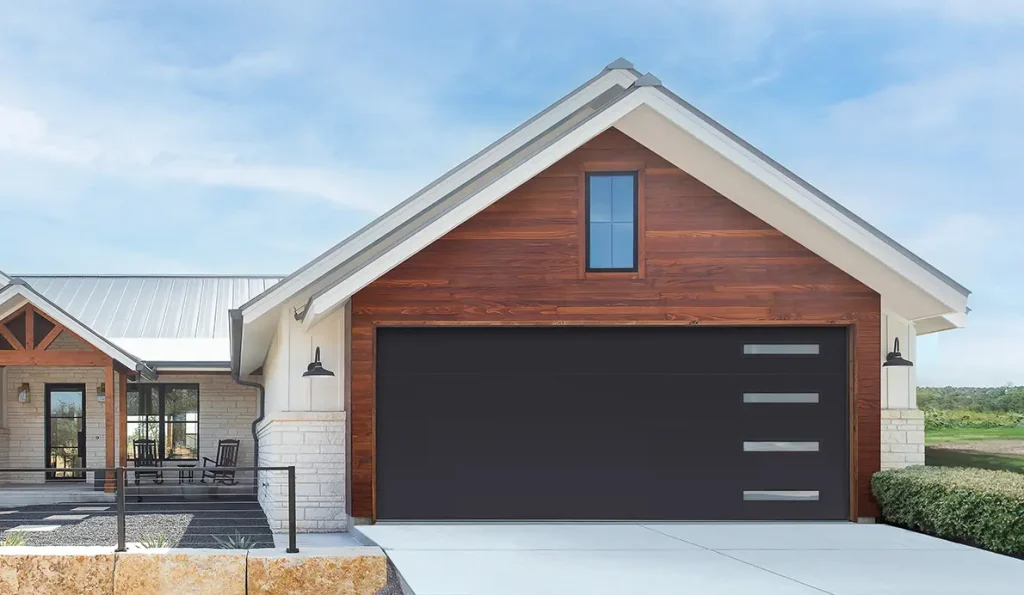
A hurricane rated garage door is only as strong as the condition it is kept in between storms, and that condition changes every time a component is ignored. Worn seals, loose hardware, and neglected parts reduce the door’s ability to withstand wind pressure against the panels during a storm.
Routine maintenance addresses each of those weak points before they cause significant damage to the door and compromise its certified wind load rating. Neglecting it puts the entire structure of the home at risk when a powerful storm makes landfall and wind speeds reach their peak.
Why Maintaining a Hurricane Rated Garage Door Matters
A garage door that meets hurricane standards at the time of installation can lose that level of protection over time when its components are not regularly inspected, serviced, and replaced before wear becomes a structural liability.
What consistent maintenance protects against:
- Worn seals that let wind-driven rain and debris into the garage
- Loose hardware that reduces the door’s ability to distribute wind load
- Unbalanced springs that prevent the door from closing flush against the frame
- Damaged struts that can no longer support the door under wind pressure
- Corroded components that no longer meet Florida Building Code requirements
To understand the standards a door must meet to stay certified, read our guide on How to Tell If Garage Door Is Hurricane Rated, which covers the certifications, labels, and performance ratings every homeowner should verify before hurricane season.
How Often Should a Hurricane Rated Garage Door Be Maintained
A hurricane rated garage door requires maintenance at different intervals throughout the year, with each stage targeting components that wear down at different rates.
Frequency | What to Do |
Monthly | Check door balance, inspect seals, wipe down sensors, and listen for unusual noises |
Every 3 Months | Lubricate rollers, hinges, springs, and the torsion bar |
Twice a Year | Inspect weather stripping, tighten all hardware, and check reinforcement struts |
Annually | Schedule a full professional inspection to verify wind load rating and code compliance |
Before Hurricane Season | Confirm all components are serviced, and the door’s impact rating is still intact |
To find the door type that holds up best across these maintenance intervals, read our guide on Types of Hurricane Rated Garage Doors, which covers performance ratings, material options, and construction standards for coastal homes.
Routine Maintenance Steps for a Hurricane Rated Garage Door
Lubricate All Moving Parts
Salt air and humidity accelerate rust on metal components, making lubrication one of the most critical routine tasks for a hurricane rated garage door.
Watch for these signs that lubrication is overdue:
- Squealing or grinding sounds point to dry metal-on-metal contact
- Visible rust on rollers, hinges, or springs signals moisture penetration
- Stiff or jerky movement indicates friction buildup on moving parts
- The torsion bar shows surface oxidation from prolonged humidity exposure
- Black residue on the track indicates worn roller contact points
Regular lubrication every three months keeps metal components protected against the salt air and moisture conditions constant in Melbourne, FL.
Test the Door Balance
An unbalanced hurricane rated garage door places uneven stress on the springs, cables, and opener during every operation cycle.
Check for these balance indicators before and after storm season:
- Manual lift to the halfway point results in the door sliding toward the ground
- A visible gap appears on one side when fully closed against the frame
- The garage door opener motor strains audibly when lifting through its full travel range
- The door rises on its own after release, pointing to over-tensioned springs
- One panel edge sits lower than the opposite side when closed
Torsion spring adjustments must always be handled by a licensed professional due to the intense pressure stored in the spring system.
Inspect and Tighten Hardware
Repeated vibration from daily use and strong winds loosens the bolts, brackets, and hinges that hold a hurricane rated garage door together.
Look for these hardware issues during each inspection:
- Bolts on track brackets turn with minimal resistance
- Roller brackets show visible bending or cracking along the mounting plate
- Bearing plates have worn surfaces or wobble during door movement
- Rusted bolts no longer hold torque and need immediate replacement
- Anchor bolts connecting the track to the wall framing show gap separation
Ignoring loose or corroded hardware puts the door’s structural integrity at risk and often leads to an avoidable garage door repair.
Check the Weather Stripping
A compromised weather seal allows wind-driven rain, debris, and air pressure to bypass the door frame and enter the garage during a storm.
Inspect for these weather stripping conditions before each storm season:
- Bottom seal shows visible cracking, flattening, or separation from the door base
- Daylight is visible along the sides or top of the frame when the door is closed
- Water intrusion appears near the garage floor after rain events
- Perimeter trim has pulled away from the door frame at contact points
- Gaps in the seal break the continuous contact line against the floor
Coastal UV exposure and salt air degrade weather stripping faster than in inland locations, making seal checks non-negotiable in Melbourne, FL.
Clean the Tracks and Sensors
Dirty tracks and misaligned sensors are among the most common causes of operational failure in a hurricane rated garage door.
Watch for these track and sensor conditions during monthly checks:
- Debris and dirt buildup inside the track channel causes the door to bind
- Track shows visible bending or separation from the wall mounting bracket
- Sensor lights blink or go dark, indicating misalignment or obstruction
- The door reverses immediately after closing attempts without any visible obstruction
- Rollers jump the track, pointing to a buildup or a bent channel section
Clean tracks and properly aligned sensors confirm the door closes fully and securely before a storm arrives.
Inspect the Reinforcement Struts and Bracing
Reinforcement struts separate a hurricane rated garage door from a standard door, and their condition determines whether the door can hold up against its certified wind load.
Look for these strut and bracing conditions during each seasonal check:
- Strut shows visible bending, bowing, or separation from the door panel
- Bolts attaching the strut to the panel have worked loose or corroded
- The gap between the strut and the door panel points to warping or impact stress
- Bracing does not extend fully across the panel width
- Direct impact has left stress fractures or visible deformation on the strut
A strut that stays damaged through multiple storm seasons can progress to the point where garage door replacement becomes the only viable option.
Seasonal Maintenance Tips for Hurricane Rated Garage Doors in Melbourne, FL
The salt air, humidity, and hurricane season in Melbourne subject garage doors to conditions that require maintenance more frequently than at standard intervals.
Key seasonal maintenance tasks for coastal homes:
- Schedule a professional inspection no later than May, before hurricane season begins
- Confirm that the door’s wind load rating and impact rating are still intact before June
- Rinse the door exterior monthly to remove salt deposits from coastal air
- Check all metal components for rust spots after heavy rain or storm events
- Inspect weather stripping, seals, and struts immediately after any named storm passes
To learn how a well-maintained door adds value beyond storm protection, read our guide on Benefits of a Hurricane Rated Garage Door, which covers how proper upkeep affects curb appeal, energy efficiency, and homeowner’s insurance coverage.
Maintenance Warning Signs That Require a Professional Inspection
Identifying these warning signs early during a routine maintenance check determines whether the door can still perform at its certified wind load rating.
Watch for these signs during any garage door maintenance check:
- The door no longer stays balanced at the halfway point during a manual lift test
- Weather seals are torn, missing, or no longer make full contact with the frame
- Visible dents, cracks, or bending on any panel or reinforcement strut
- Grinding, scraping, or popping sounds that developed suddenly during operation
- Door reverses, stops mid-travel, or fails to close flush against the floor
Continued use without a professional inspection puts the door’s wind load rating and the entire home at risk.
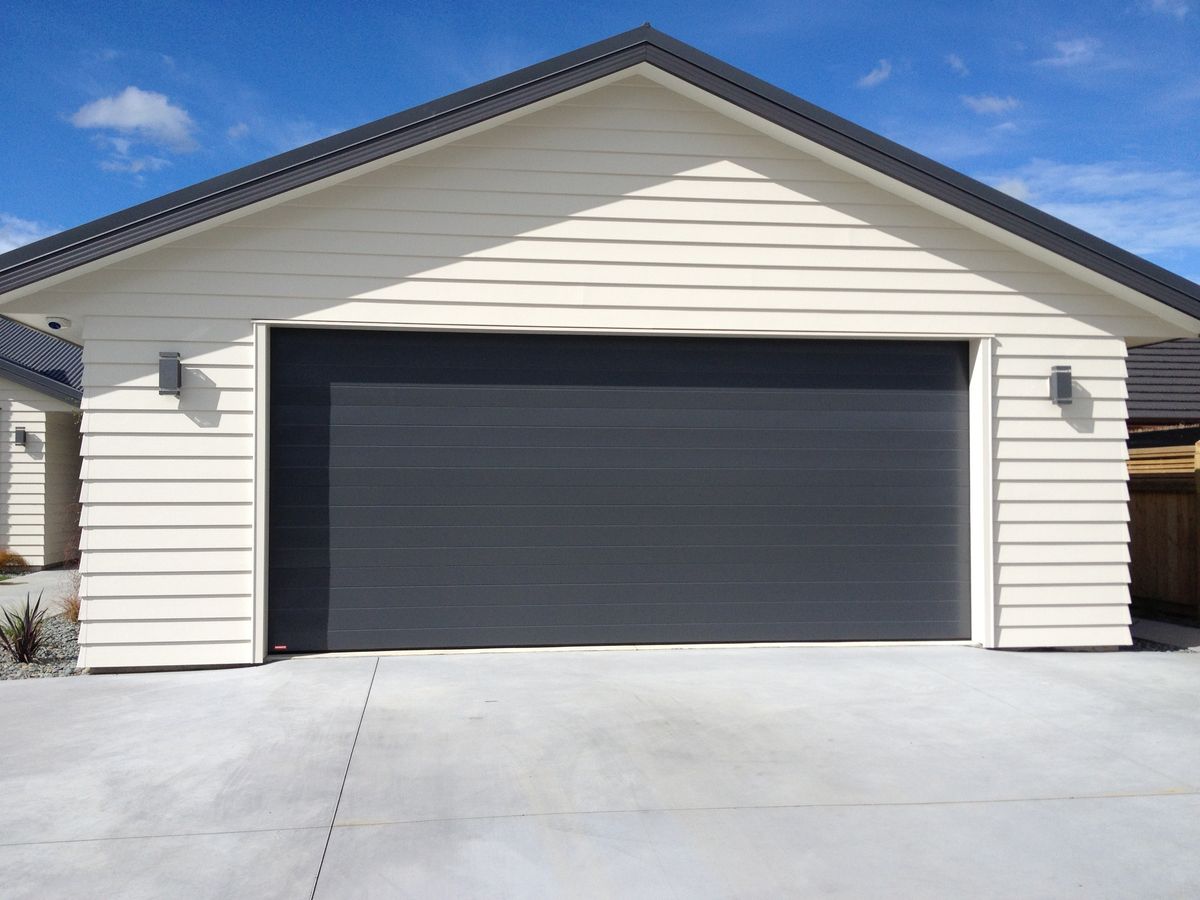
Start Maintaining a Hurricane Rated Garage Door Before the Next Storm Hits
A hurricane rated garage door is only as strong as the maintenance behind it, and every skipped inspection is a risk taken against the entire home. Monthly checks, seasonal servicing, and annual professional inspections keep the door performing at the wind load rating to which it was built and certified.
Garage Doors Guaranteed works with homeowners in Melbourne, FL to keep hurricane rated garage doors inspected, serviced, and performing at full capacity through every storm season. Contact us or give us a call today, and let our team assess what the door needs to stay storm-ready all year long.