Expert Blog
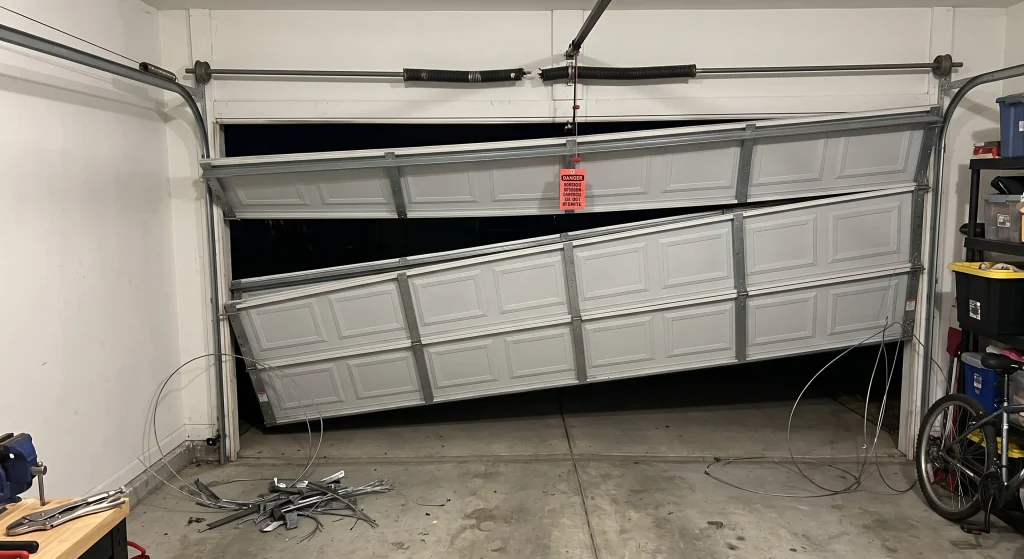
A noisy garage door is most often caused by dry or worn moving parts, loose hardware, or aging springs that lose tension over time, affecting performance. Each of these issues produces a distinct sound, and most people’s first instinct is to assume the noise will fade on its own with …
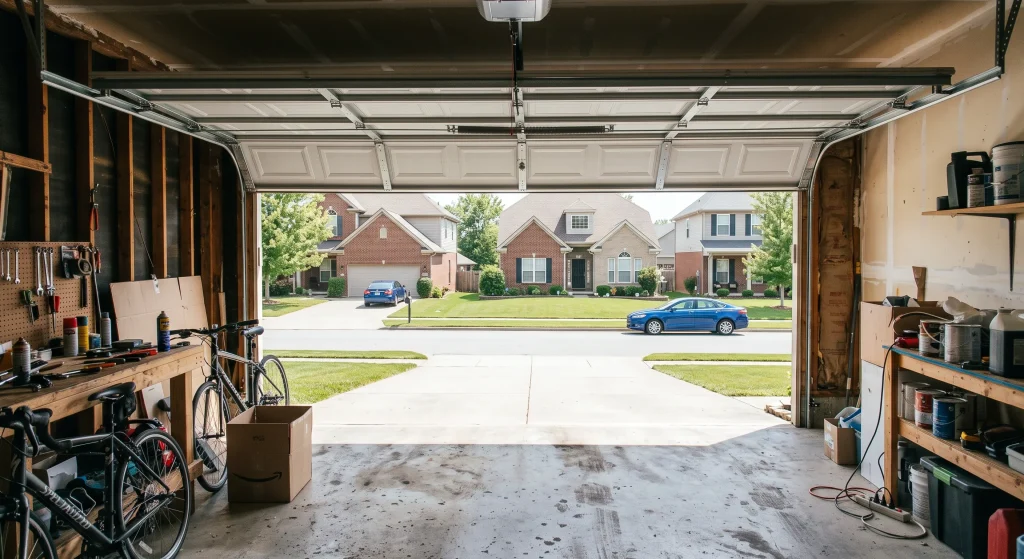
A noisy garage door usually points to worn rollers, loose hardware, dry hinges, or a spring under too much tension, and each of these problems tends to announce itself through sound before it becomes a bigger issue. Grinding, squeaking, and rattling each signal a different part of the system reacting …
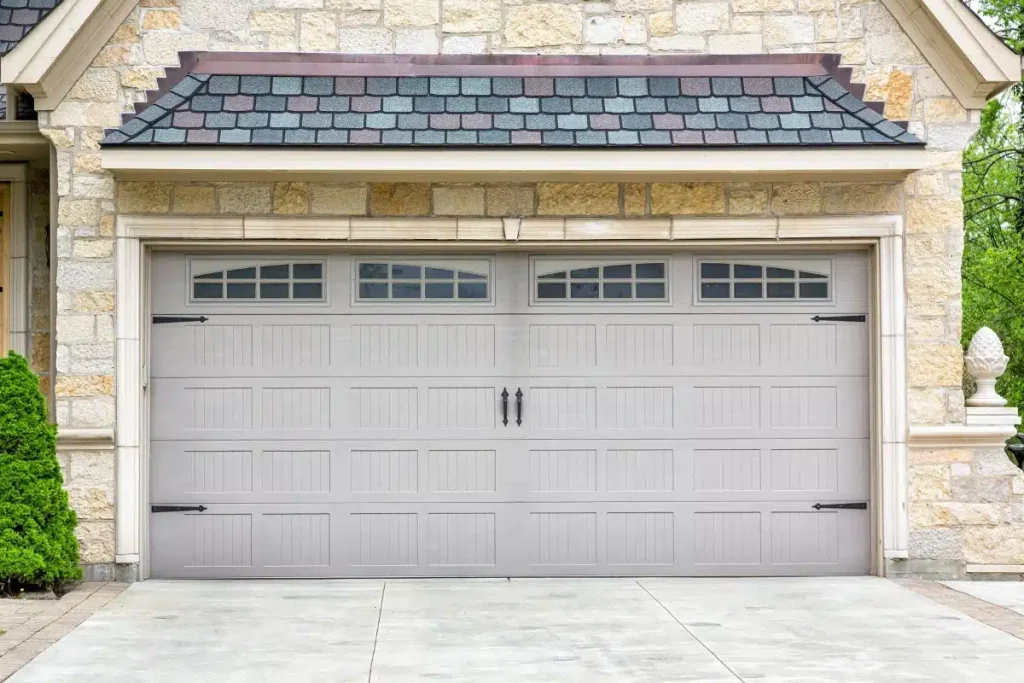
A garage door without a hurricane rating is one of the most vulnerable structural entry points in a home during a powerful and fast-moving storm. Most homeowners never verify their door’s hurricane certification status until the season is already underway, leaving no time to take the necessary steps to prepare. …
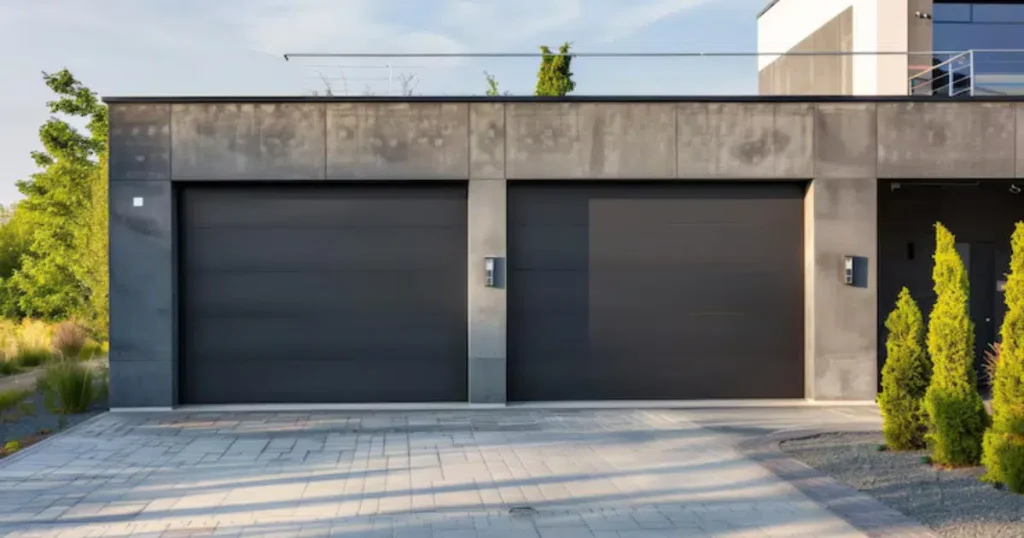
A garage door takes the full force of a hurricane before any other part of a home, and the type of door installed determines whether the structure holds or fails under that pressure. Knowing the available types of hurricane rated garage doors helps homeowners make an informed decision before storm …
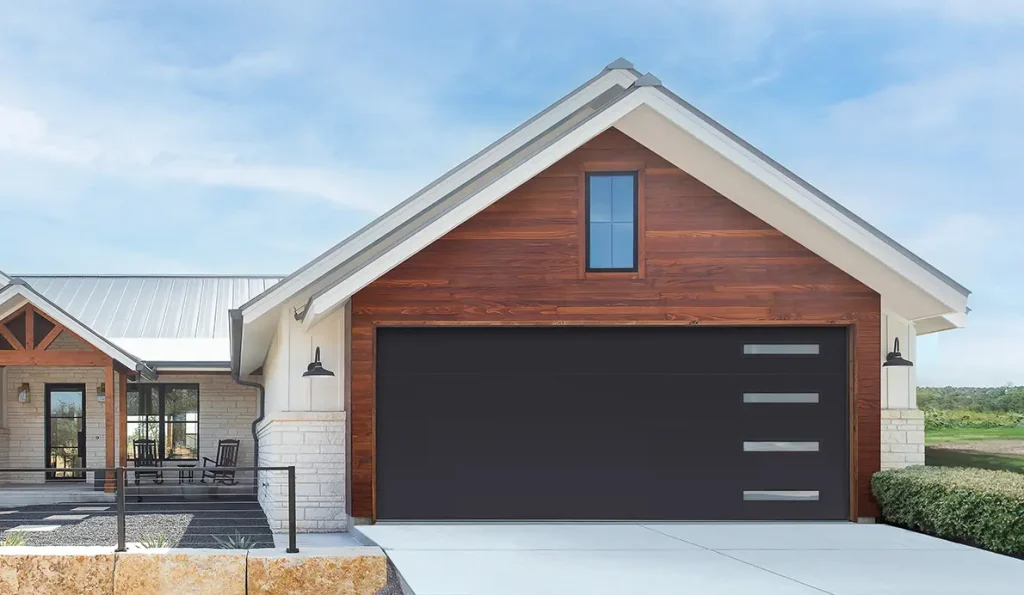
A hurricane rated garage door is only as strong as the condition it is kept in between storms, and that condition changes every time a component is ignored. Worn seals, loose hardware, and neglected parts reduce the door’s ability to withstand wind pressure against the panels during a storm. Routine …
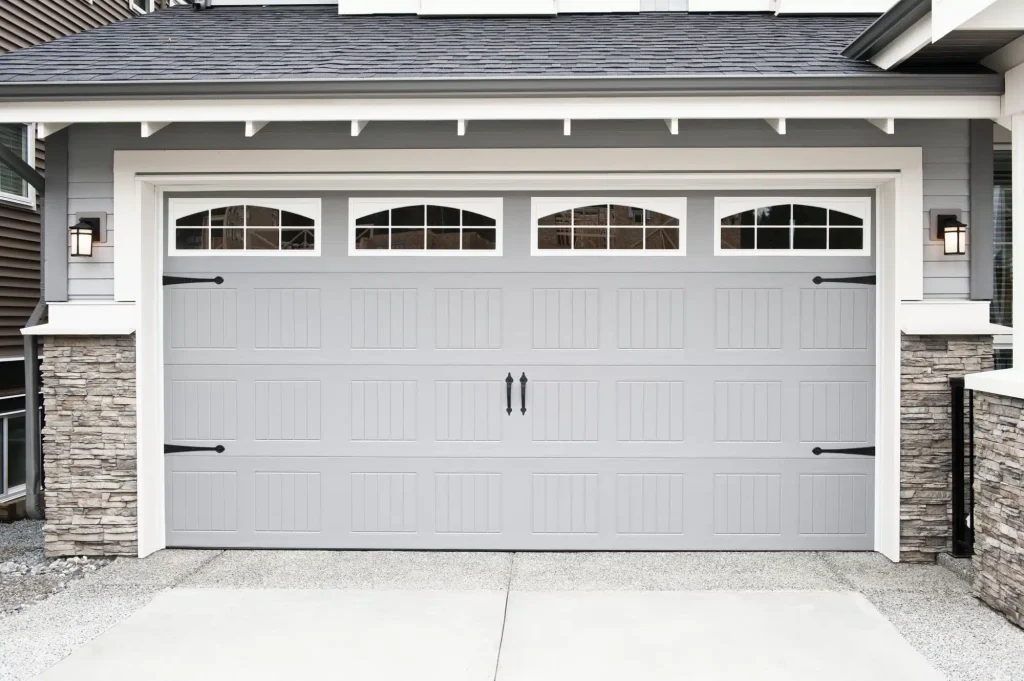
A garage door is the largest moving part of a home, and what it is made of can determine how much of your structure survives a major storm. The benefits of a hurricane rated garage door reach every part of that equation, from keeping your home sealed under extreme wind …